Smarter content.
Deeper engagement.
Better outcomes.
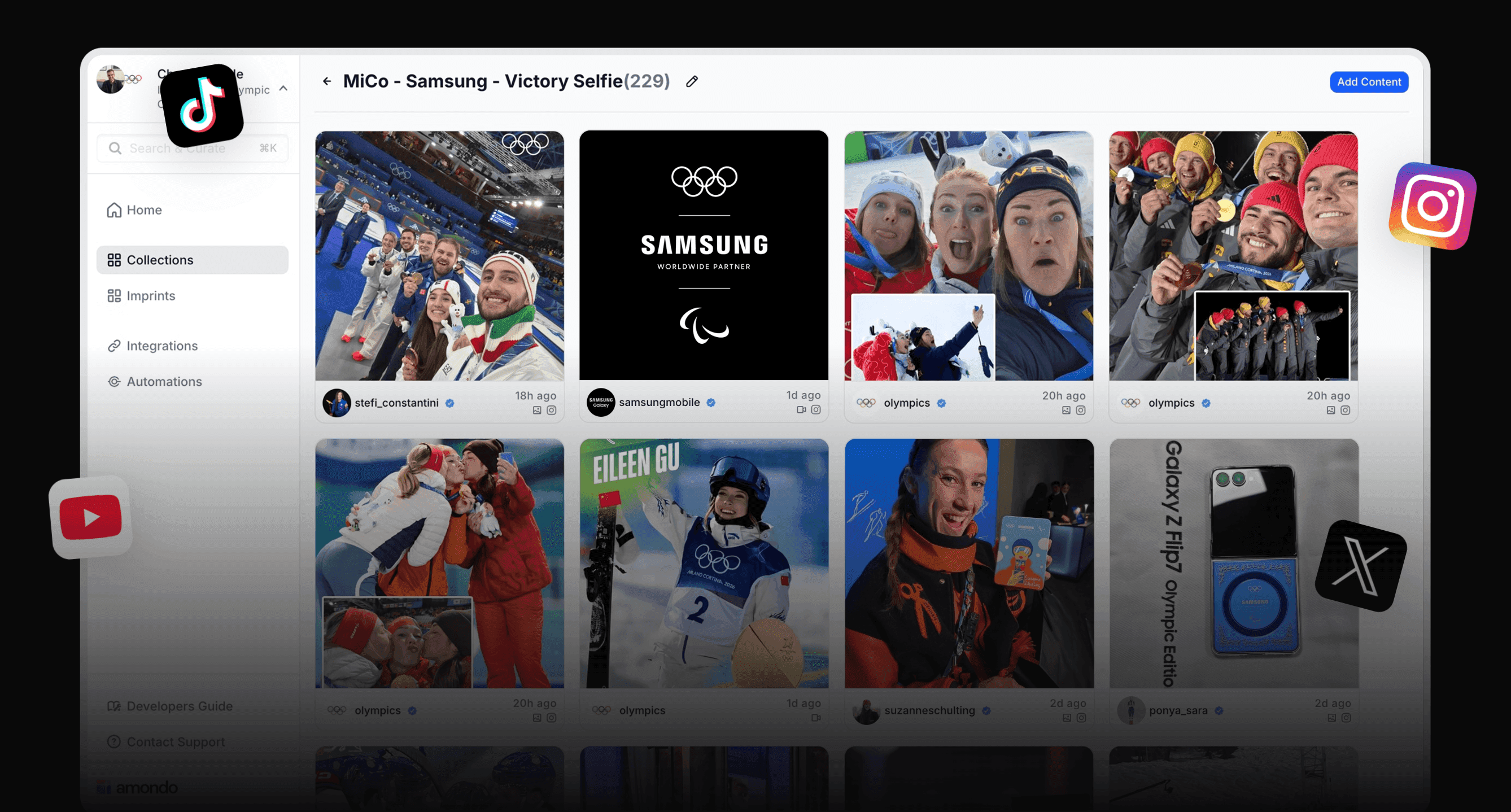
Amondo connects content to real audience behaviour and commercial outcomes, giving brands clarity on what works and what will perform next.

Turn content into measurable behaviour
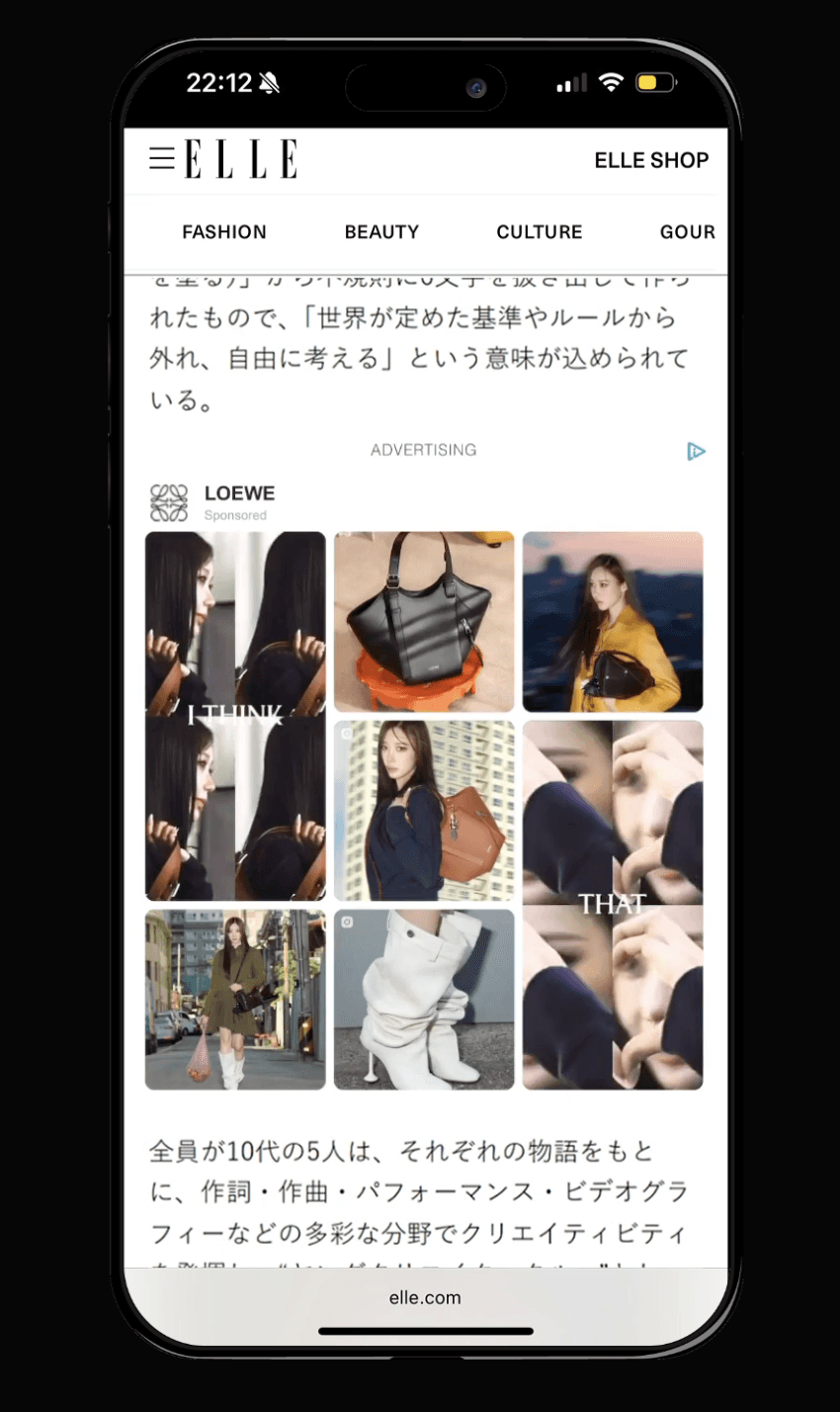
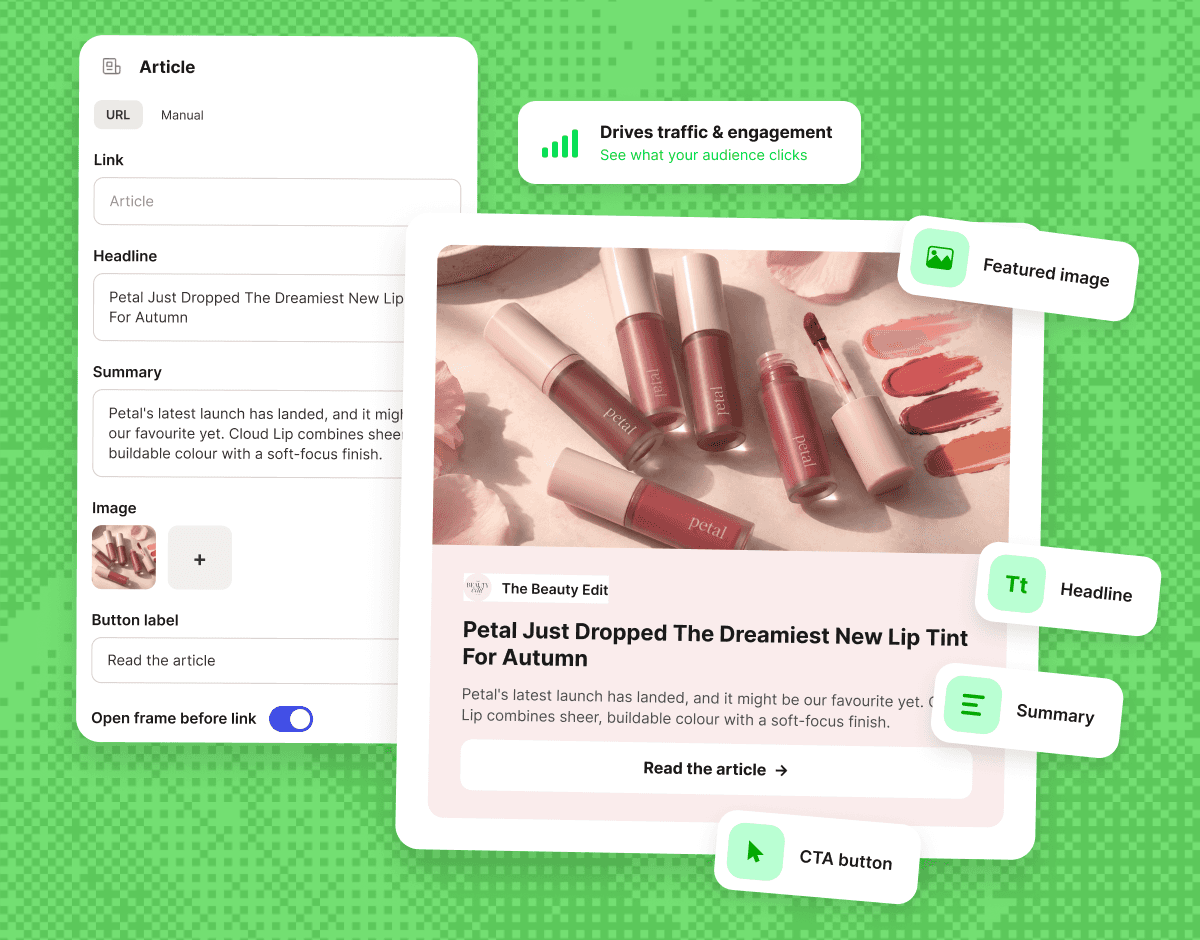
Portable branded formats capture how people actually interact — across channels, moments and surfaces.
Understand performance beyond surface metrics
See how content drives real behaviour and outcomes, so decisions are based on evidence, not instinct.
Connect outcomes and own the intelligence
Link content, behaviour and results in one system — creating first-party insight the platforms never show.


Activate audiences with portable branded formats
Turn any brand, creator or fan content into portable branded formats that work everywhere — and finally show how audiences actually interact.

“We use Amondo every race week to easily source, curate and showcase content across our digital platforms. The fans love it - and we do too."


“We use Amondo every race week to easily source, curate and showcase content across our digital platforms. The fans love it - and we do too."


“We use Amondo every race week to easily source, curate and showcase content across our digital platforms. The fans love it - and we do too."


“We use Amondo every race week to easily source, curate and showcase content across our digital platforms. The fans love it - and we do too."

Capture real behaviour with first-party interaction data
Amondo gives brands direct access to first-party behavioural data, revealing how people actually interact with content and what that behaviour means.

"Using Amondo has allowed us to capture UGC from our fans that is of huge value to our business."


"Using Amondo has allowed us to capture UGC from our fans that is of huge value to our business."


"Using Amondo has allowed us to capture UGC from our fans that is of huge value to our business."


"Using Amondo has allowed us to capture UGC from our fans that is of huge value to our business."

Connect content to behaviour and outcomes
See what works, why it works, and what will perform next - all from a single intelligence layer built on real audience data.

“Such an easy and intuitive tool to use with a bunch of powerful features that help us showcase the Dr. Martens brand and culture – we absolutely love it.'


“Such an easy and intuitive tool to use with a bunch of powerful features that help us showcase the Dr. Martens brand and culture – we absolutely love it.'


“Such an easy and intuitive tool to use with a bunch of powerful features that help us showcase the Dr. Martens brand and culture – we absolutely love it.'


“Such an easy and intuitive tool to use with a bunch of powerful features that help us showcase the Dr. Martens brand and culture – we absolutely love it.'


4 lessons Leaders Week 2025 taught us about the future of fandom
From athlete storytelling to fan-owned content, here are the four key lessons we learnt from Leaders Week London around how sport can build deeper, more meaningful connections with audiences in 2025.
Last week, the Amondo team joined sports, media, and brand leaders at Leaders Week London. It was a busy few days of sharp ideas, honest debates, and one clear message for everyone in the industry: fandom is shifting.
Fans don’t just follow anymore. They expect to take part. They switch between platforms, creators, and moments that feel real. Athletes are becoming media brands themselves, and data only matters when it helps you connect.
In this post, we dive into four lessons we took away from Leaders Week and share what they mean for how sport can stay relevant in a world where culture moves faster than ever.
1. Your fans are the foundation
Across panels from World Netball to UEFA, one point kept coming up: growth depends on building genuine relationships with your fans. They’re no longer a passive audience. Knowing who they are, what they value, and how they engage is now your biggest competitive advantage because it underpins long-term commercial growth.
That’s why grassroots still matter. It’s where participation starts and lifelong fandom grows. The organisations leading the way stay close to their communities and encourage fans to create and share, and use those insights to guide global storytelling.
This came through especially strongly in conversations around women’s sport, which is reshaping fandom entirely. Research from Wasserman Collective found that 72% of women globally now identify as avid sports fans (up 10% in three years), and women drive 75% of household purchasing decisions.
For rights holders, that creates both an opportunity and a challenge. A growing audience with real spending power is emerging. But, they expect representation and relevance. The stories that resonate are grounded in real fan experiences: women attending matches, sharing their excitement, and showing what belonging looks like. When fans see people like themselves in the stands and on screen, they’re more likely to join in and invest their time, energy, and money.
When fans feel seen, they show up. They participate, spend, and bring new fans with them – growing the sport and its commercial value. Fan-generated content makes this connection tangible. It reminds people why they care, strengthens loyalty, and drives measurable revenue.
At Amondo, we see this every day. When rights holders and brands integrate fan-generated content into their storytelling, even simple CTAs (like linking to merch pages) perform better – with click-through rates far higher than on standard landing pages. That’s because people see themselves in the story, and they trust that investing in the sport is worth it.

2. Athlete storytelling is a growth engine
Our next takeaway from Leaders Week was that athletes are no longer part of the story – they are the story.
The Women’s Rugby World Cup proved this. Players’ voices and narratives went beyond the matches, creating connection and engagement that no campaign could match.
Fans connect with honesty and individuality. Seeing content directly from players brings them closer to the team and the sport. It breaks down barriers, showing athletes as people – relatable, driven and human. That relatability builds lasting loyalty.
And the numbers back it up. Athlete-led social media posts from the tournament generated over 219 million views, amplifying reach far beyond traditional broadcast.
These figures show that athlete storytelling isn’t a nice-to-have. It’s a growth driver. Rights holders that bring player-led storytelling into their owned channels see real returns – from higher engagement and ticket sales to stronger sponsorship ROI and deeper fan relationships.

3. Sport is competing for attention
We also learned that sport isn’t just competing with other sports anymore. It’s competing with everything – music, fashion, film, gaming and social media.
Holding someone’s full attention for 90 minutes is rare. People scroll, stream, and switch constantly. That’s not a threat; it’s an opportunity to rethink how sport shows up.
Panels from Manchester City, FIFA, and Unilever all made the same point: the smartest organisations treat sport as part of culture, not separate from it. They don’t expect fans to come to them. They meet fans where they already are. That means short-form stories, highlights, and behind-the-scenes content that feel natural on the platforms fans use every day.
When sport shows up in the same spaces as fashion and music, it becomes part of the cultural conversation. And when moments are shareable, they live far beyond match day.
At Amondo, we help our partners capture that energy – turning live moments and fan reactions into stories that keep the spotlight burning long after the final whistle.
4. From content to connection
The next big lesson from Leaders Week was that sport can’t rely on reach alone. It’s not just about getting fans to engage – it’s about owning where and how that engagement happens.
Too much of the fan relationship still lives on third-party platforms. Those platforms collect the data, control the interaction, and benefit from the insight that rights holders actually need. The result? They hold the value, while sports lose visibility over their own audiences.
The organisations leading the way are taking that relationship back. They’re building owned ecosystems where they control the fan journey (from discovery to conversion) and can see exactly what drives participation, purchase, and retention.
World Netball’s direct-to-consumer platform, NetballPass, was a standout example discussed at Leaders Week. It connects live content, storytelling and commerce all in one place – giving fans real reasons to subscribe and return. By owning that relationship, World Netball isn’t just generating revenue. It’s collecting insight that fuels better content, smarter partnerships, and sustainable growth.
Social platforms still matter for discovery. YouTube and TikTok are where fans often find the story. But the real value comes when you bring them into your own ecosystem – a space where you can personalise, reward loyalty, and build connection that lasts.
Sport’s next phase of growth isn’t about producing more content. It’s about creating spaces that fans choose to return to. And owning the data that makes those experiences smarter every time.
The future is human
Leaders Week made one thing clear: fandom is evolving fast. Fans don’t just want access. They want to participate, connect, and feel part of the story.
The sports and brands leading that change aren’t chasing numbers. They’re building meaning. They understand that growth comes from depth – from giving fans, athletes, and partners space to contribute, not just consume.
From grassroots to global stages, the opportunity now is to connect every layer of the fan experience. To turn fleeting engagement into long-term loyalty. To make sport feel as alive off the pitch as it does on it.
At Amondo, that’s what drives us. We help rights holders and brands capture the moments, voices, and reactions that matter and turn them into stories that live on their own platforms. Stories that fans see themselves in. Stories that last and drive commercial impact.
Because fandom isn’t about more content. It’s about connection that means something, both for your audience and your business.


How Amondo turned live fan interaction into measurable behavioural intelligence at Capital’s Jingle Bell Ball 2024
At Capital’s Jingle Bell Ball, Amondo supported Global and Barclaycard to turn live fan participation into customer insight by powering a on-stage interactive experience that put fans at the centre of the show.
At Capital’s Jingle Bell Ball 2024, Global and Barclaycard set out to do more than create a moment – they wanted to activate fans in a way that made behaviour visible, measurable and actionable.
Attendees were invited to interact through live, interactive branded content experiences displayed on the on-stage screens at The O2 in London.
What could have remained a passive social interaction was transformed into a live, in-stadium experience, bringing fan content together and making attendees feel part of the moment by allowing them to see themselves on stage.
At the same time, Barclaycard became a natural part of the fan experience, with branding built into the activity so the focus stayed on fan participation while generating useful first-party data for future marketing.
The partnership was built around three clear pillars: activating audiences through interactive formats, capturing real behaviour, and being able to connect that behaviour to outcomes.
Using Amondo’s content intelligence platform, real-time interaction behaviour was captured at scale — creating clear behavioural signals that showed what resonated with fans.
A long-standing partnership with live music
One of the UK’s biggest live music events, Capital’s Jingle Bell Ball — organised by Global – brings together global artists and thousands of fans around a shared cultural moment.
As headline sponsor since 2020, Barclaycard has played a central role in enhancing the fan experience, from pre-sale ticket access to VIP benefits.
With a newly extended five-year partnership with Global, Barclaycard sought to go further — moving from presence to participation and from visibility to behavioural insight.
Amondo’s content intelligence platform became central to that shift, enabling Barclaycard to activate fan interaction, capture how audiences actually behaved, and turn those signals into clarity on what worked – not just at Jingle Bell Ball 2024, but for future events to come.
Designing a real-time interaction layer for live audiences
With thousands of fans interacting live from The O2, Global and Barclaycard required a solution that could capture, structure and surface real-time audience behaviour.
Rather than relying on time-consuming manual processes, they needed a fast, dynamic platform that could:
- Capture audience interaction across multiple entry points
- Ensure brand-safe, moderated content appears on-screen instantly
- Integrate Barclaycard branding natively within interaction formats
- Deliver a high-energy, interactive experience that makes fans active participants and feel part of the experience
Amondo provided a fully integrated interaction layer that transformed distributed fan attention into a live, on-stage experience.
Fans were invited to submit photos and videos of themselves enjoying the concert, which were then brought on stage in real time, placing the audience at the heart of the show rather than around it.

Turning live audience interaction into measurable behaviour
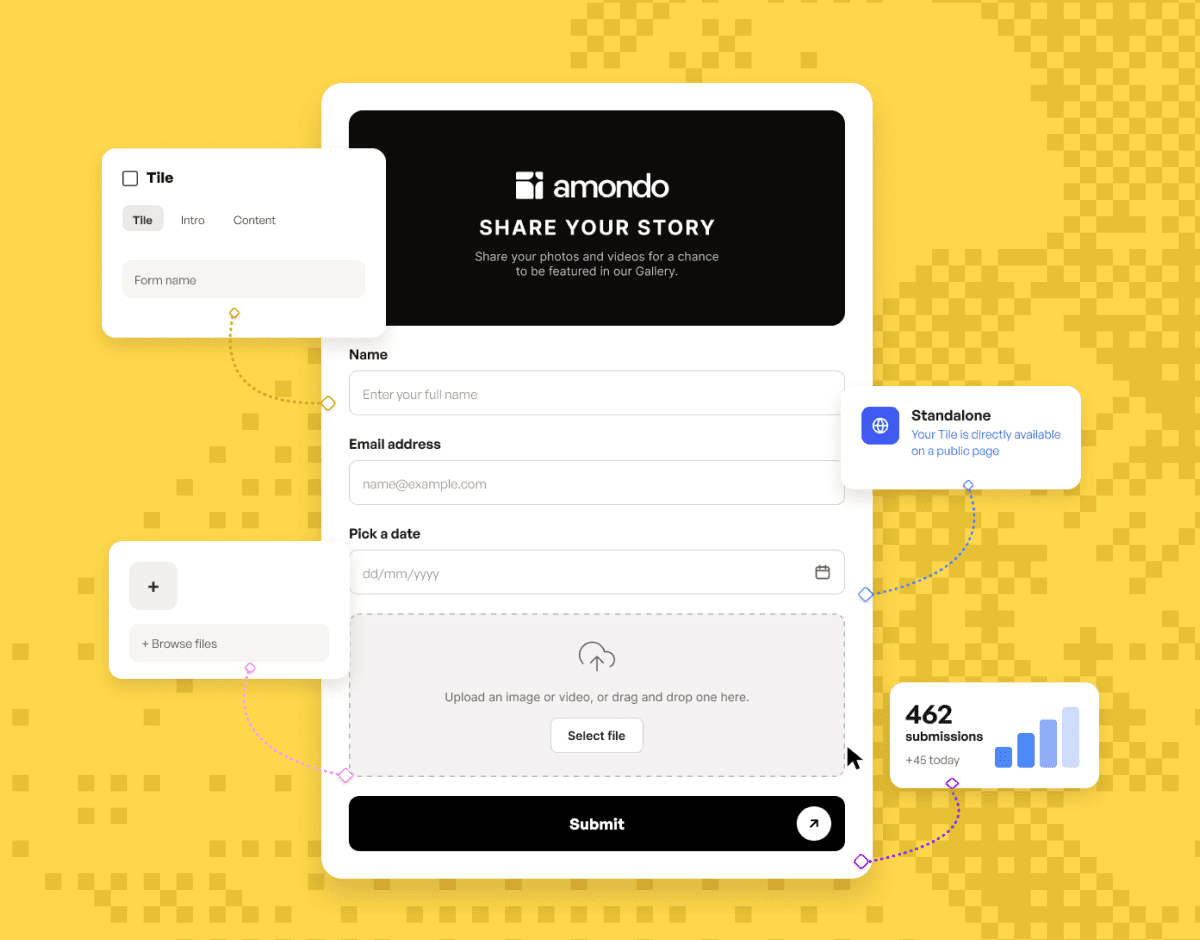
Amondo’s content intelligence platform pulled fan interactions – such as photos and videos – into one place through QR codes and easy-to-use web forms, to create a measurable, interactive experience:
- Unifying interaction - Amondo brought fan contributions together by letting attendees upload photos and videos directly using a QR code and a simple web form, making it easy for everyone to take part.
- Custom-designed on-stage screen solution - A tailor-made digital display experience, featuring a dynamic, visually engaging layout that brought fan content to life.
- Real-time moderation - A collaborative moderation process between Amondo, Global, and Barclaycard ensured that only high-quality, brand-safe content was featured on the audience engagement surface.
- Sponsorship value and brand exposure - Capital, Barclaycard, and Disney branding were woven naturally into the display, reinforcing the sponsorship while keeping fan content front and centre.

A scalable, intelligence-led live deployment
Amondo’s solution was deployed in a phased approach to ensure coordinated execution on the night:
- Pre-event setup & testing - Amondo worked with Global and Barclaycard to design and test the event engagement interface, ensuring smooth integration of branded assets and a smooth workflow for real-time content moderation.
- Live aggregation & moderation - As fans shared content on social media and via the Submission Tile, Amondo’s platform automatically pulled that content in, while the moderation team (Amondo, Global, and Barclaycard) made sure only the best content made it onto the screens.
- In-venue fan engagement via QR code uploads - To maximise participation, fans could submit photos and videos via a QR code, making it easy for those who weren’t posting on social media to take part.
- Dynamic on-stage content display - Throughout the night, curated fan content was displayed on The O2’s massive stage screens, creating a high-energy, immersive experience that put the audience at the centre of the show while making sure Barclaycard’s sponsorship remained visible in a natural, engaging way.
Delivering real-time behavioural insight at scale
The Amondo Gallery created a highly engaging fan experience while giving Global and Barclaycard clear insight into how fans interacted during the concert.
- Hundreds of real-time photos and videos from attendees were captured and surfaced on stage, turning audience participation into an integral part of the show.
- Seamless brand integration ensured Barclaycard’s assets were embedded within the experience without feeling intrusive.
- An enhanced fan journey created an exciting, interactive moment that fans actively engaged with.
- Amondo gave Global and Barclaycard first-party behavioural insight into what resonated and what to scale going forward.
- The experience was a scalable solution that Global and Barclaycard will continue using at future events to enhance live audience participation.
Looking ahead: expanding real-time fan engagement and understanding data
Following the success of Capital’s Jingle Bell Ball 2024, Global and Barclaycard will continue to use Amondo's content intelligence platform across future events to activate live audiences, power sponsorship engagement, and capture first-party behavioural data that goes beyond what third-party platforms and social media expose.
For brands delivering live events, Amondo provides a scalable content intelligence layer that transforms live audience interaction into measurable behavioural insight.
See how other brands are bringing this to life with Amondo.


Sports brands & rights holders: 5 ways fan interaction powers the non-matchday experience
This article outlines five principles sports brands can use to activate fans between fixtures and capture real behavioural signals beyond matchday.
One of the biggest challenges for sports brands is the time between matchdays. Attention lapses, momentum declines, and performance becomes harder to uphold.
But non-matchdays aren’t a gap, they’re a unique opportunity.
When activated well, this period allows rights holders to drive meaningful fan actions such as signing up for memberships, purchasing merchandise, downloading apps, or planning future match attendance.
These moments reveal how fans actually behave, not just what they view or like.
By designing interactions around non-matchday moments — from membership sign-ups to buying merch — sports brands can uncover real signals of intent and preference, rather than relying on surface-level metrics.
So how do sports brands activate audiences between matchdays and turn behaviour into desirable intelligence?
We’ve identified five principles sports marketers should apply when designing content campaigns outside of matchdays to gain more insight into their fan base and drive commercial impact.
Tip 1: Design video to capture fan behaviour, not just fill inventory
Between matchdays, video is one of the most effective ways to keep fans engaged.
According to HubSpot’s 2024 video marketing data, short-form video is the most used format and delivers the highest ROI among marketers, with 83% reporting its effectiveness.
Short, bite-sized videos – such as fan-generated content, match clips, analysis, or behind-the-scenes footage – help extend the match narrative, fit naturally into modern attention spans and maintain momentum when there’s no live action.
Unlike static content, video demands time and attention. How long fans watch, what they skip, or whether they explore further are strong signals of interest that are far more meaningful than a like or impression.
The challenge is that this behaviour often lives on third-party platforms. This means that when a video is shared only on social media, most engagement insight remains inaccessible.
Putting video on your own website or app makes all the difference.
It lets you see how fans actually interact with content, so you can track and measure deep engagement, learning what drives fans to act, not just what they watched.
Takeaways
- Video keeps fans engaged between matchdays and creates clearer signals of interest than static content
- The real value of video lies in how fans engage with it, from what they watch, finish, and act on — not just who created it
- Hosting video on owned channels and websites helps brands see what drives actions like ticket sales, merch, and sign-ups
Tip 2: Encourage fans to contribute to unlock better insight
Wyng (formerly Offerpop) found that while more than half of consumers are willing to interact with brand campaigns, only 16% of brands successfully turn that participation into first-party behavioural insight they can act on.
The opportunity isn’t just to spark interaction, but to invite fans to actively contribute beyond matchday.
Sports rightsholders have some of the most loyal fan bases, and they want to stay involved between fixtures, sharing opinions, creativity and personal moments that reflect their connection to the club or brand.
By inviting fans to submit content, opinions or experiences, rightsholders move beyond surface engagement.
Every submission becomes a source of first-party data, revealing who fans are, what motivates them, which players or themes resonate most, and how different audiences behave outside of matchday peaks.
The result is non-matchday campaigns that feel more genuine and community-led because they feature real fan voices.
At the same time, rightsholders gain a clear view of how audience behaviour and what drives them, helping to shape content and partner value without increasing output.
For their “Run Your Way” campaign, New Balance used Amondo’s social gallery and Submission Tile to give runners a simple way to take part.
Participants shared photos and videos of their runs via race hashtags or by uploading content, which surfaced in a branded wall on the event site.
This allowed New Balance to see which moments people chose to share and how community content performed compared to brand content, all based on real behavioural data, not surface metrics.
Takeaways
- Fan participation drives intelligence, not just engagement
- Brands can create more value without creating more content
- This approach helps you to prioritise content decisions and partner activations based on behaviour, not guesswork
Tip 3: Create controlled content variation to generate behavioural insight
FC Nordsjælland used a deliberately different content perspective to observe how fans responded to a new format, topic and style compared to what they were used to for official club media.
In 2018, the club handed a GoPro camera to their intern, a 14-year-old fan. He interviewed players, including asking the club’s star striker why he wasn’t scoring goals…
By introducing a fan-led viewpoint inside controlled, branded formats, the club was able to compare behavioural responses – such as completion rates, replay behaviour and interaction patterns – against more traditional training and behind-the-scenes content.
This contrast helped reveal which types of storytelling drove deeper engagement from fans and sustained attention outside matchdays.
The value wasn’t the identity of the person holding the camera. It was the behavioural variation the format introduced, and the insight it generated into what non-matchday content actually resonates and holds attention.
Takeaways
- Fan submissions add authenticity and community value, but the real advantage comes from experimenting with formats and observing behaviour to see what actually works
- Varying content formats and access help rightsholders identify what drives non-matchday performance
Tip 4: Turn repeat fan behaviour into compounding intelligence
Non-matchdays aren’t only valuable because they create more content – they’re valuable because they create repeatable behavioural signals.
Using the same interactive formats over time encourages fans to return, making it easier to see clear patterns in behaviour; from content structures that drive deeper engagement andwhich access points prompt repeat interaction to which signals connect to downstream outcomes.
Over time, this behavioural data compounds.
Each activation adds context to the last, allowing brands to move from isolated performance snapshots to a clear understanding of what consistently works – and what to stop doing by proven behavioural drivers.
Takeaways
- Repeatable activation creates behavioural data that compounds over time
- Comparing signals across non-matchdays reveals what to scale, adapt or stop
- Intelligence grows by reapplying learning, not recycling content
Tip 5: Activate audience content through measurable interaction formats
During the Tokyo 2020 Olympics and the coronavirus pandemic, Team GB faced a clear challenge: fan support was remote, fragmented and largely invisible beyond surface engagement metrics.
Using Amondo, Team GB brought together fan-generated content, athlete stories and branded partner content into a series of Amondo Galleries designed for engagement, participation and activation.

Amondo’s Submission Tile invited fans and athletes to share photos and videos with messages of support, creating a continuous stream of authentic content throughout the Games.
At the same time, embedded Click-Through Tiles turned attention into action, converting passive viewing into measurable interaction.

App and newsletter sign-up CTAs were placed at moments of high emotional connection, enabling Team GB to grow its owned audience and capture first-party behavioural data. This gave the team a clearer understanding of who its fans were, how they engaged with Olympic content, and how to continue those relationships beyond the Games.
The result wasn’t just visibility – it was behavioural intelligence. A repeatable model for understanding and activating fan support when attention is distributed, and physical presence isn’t possible.
Takeaways
- Participation becomes intelligence
- Interactive formats convert attention into measurable action, capturing behaviour that social platforms don’t expose
- Behavioural insight enables long-term value, helping brands grow owned audiences and deepen engagement – even when physical presence isn’t possible
In summary
Non-matchdays are valuable because they allow sports brands to both publish more content and also create a repeatable opportunity to capture fan behaviour.
When fans interact with content through structured, portable formats, sports brands and rightsholders gain first-party behavioural insight into what holds attention, signals intent and drives outcomes between matchdays.
That insight compounds over time, replacing guesswork with clarity on what to prioritise, scale or retire.
The advantage isn’t fan-created content or curated feeds. It’s the ability to observe real behaviour, compare performance across formats and apply learning consistently as the season unfolds.
.png)


.jpg)