Back to all
Ready to understand what your content really drives?
Talk to sales

Seven behaviour shifts redefining sports marketing in 2023 and beyond

September 22, 2022
8 minute read

Sports institutions worldwide operate in an environment where attention is scattered, platforms hide meaningful data, and fan behaviour is harder to interpret than ever.

And while the pandemic added a greater sense of community to fan groups by accelerating digital participation, it also exposed a deeper problem: more content and more channels did not create more clarity. Engagement increased, yet insight into what actually drives fan action remained limited.

The brands that lead are those that can capture first-party interaction data, connect audience behaviour to commercial outcomes, turning these signals into intelligence they can act on.

Amondo has collected seven key behaviour shifts reshaping sports marketing in 2023 and beyond for you to stay on the pulse.

Enhanced matchday engagement

When gameday arrives, fans worldwide have only one thing on their mind, and that’s their team.

Thanks to social media, the matchday experience has evolved in recent years, with teams turning to press conferences, line-up announcements, and pre-match content to prolong fan engagement. 

The beauty of this content is that fans also engage with it outside of the matchday. In fact, The Nielsen Sports Report found that sports viewership has become a multi-screen experience, with 47% of sports watchers simultaneously interacting with other live content, a 5% increase in 2020.

This becomes a barometer for engagement and reach worldwide, as well as a reliable indicator of attention and interaction at scale. Beyond strengthening the connection between clubs and fans, these moments generate repeat interaction patterns that signal sustained interest and inform which formats should be prioritised and scaled for future fixtures.

This interaction data can then be used to recognise which content resonates best in the run-up to matchday, helping teams plan pre-match activations that build momentum and drive repeat fan engagement once matchday comes around.

More connected non-matchday experiences

For every matchday, there are significantly more non-matchdays – and these are the moments where fan attention is most at risk of drifting.

Between fixtures, fans still interact with teams, but attention is fragmented, and expectations are harder to gauge. 

While the Nielsen Sports Report estimates that 39% of global fans watch non-live content related to a live sports event, simply increasing the volume of non-matchday content does not explain what actually sustains interest.

Non-matchdays are valuable not because they allow brands to publish more content, but because they create opportunities to observe fan behaviour when live sport isn’t the primary driver.

By activating structured interaction formats, sports brands can capture repeat behaviour and intent signals which reveal what genuinely holds attention between games. 

For example, Liverpool FC used Amondo to power an FA Cup Hub that centralised tournament content in a single, owned experience. 
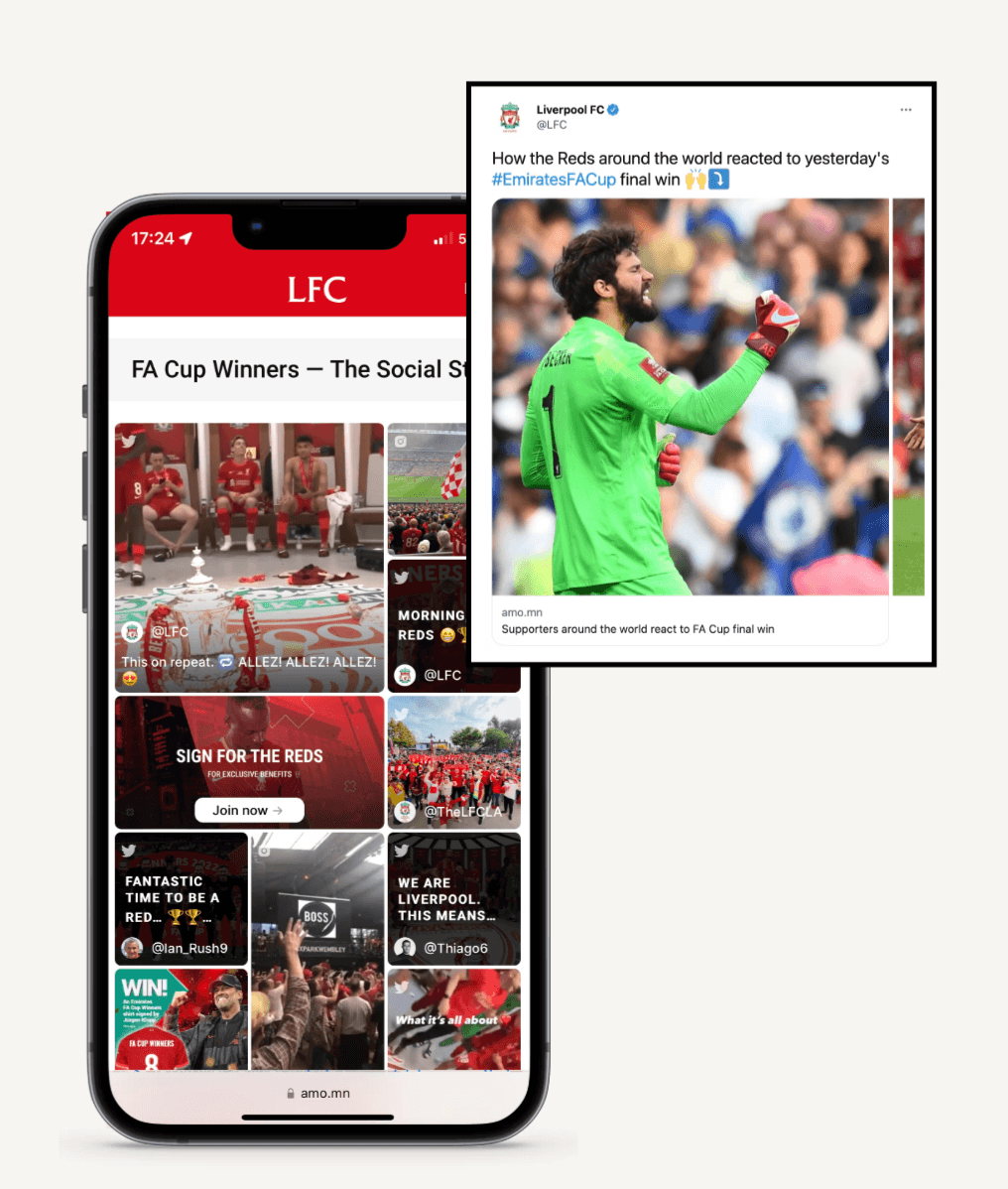
Click-Through Tiles connected fan engagement to retail, membership and competition entry, turning FA Cup interest into measurable conversion and first-party fan insight — all within an environment Liverpool could fully measure and optimise.

This behavioural insight provides clarity on which formats to prioritise, scale or stop – turning non-matchdays into learning moments that strengthen performance when matchday returns. This gives the team richer first-party fan data they can use to personalise ongoing experiences and re-engage audiences between fixtures, turning passive content consumption into measurable actions like ticket sales, merchandise purchases and deeper fan relationships.

More screens = more opportunity 

Diego Pinzón, Director of Digital Media and Content at Atlanta United FC, predicts that second-screen content will increasingly compete with the live match itself – with fans taking the driving seat in creating and amplifying that experience.

This shift reflects the rise of the “third space”: shared digital environments where fans connect in real time, regardless of physical location. 

It means a supporter in Australia can react, debate, and create alongside fans in Europe while the match unfolds.

The scale of these spaces is already notable. The NBA’s Discord server alone has more than 147,000 members, highlighting how matchday attention now lives far beyond the stadium and broadcast feed.
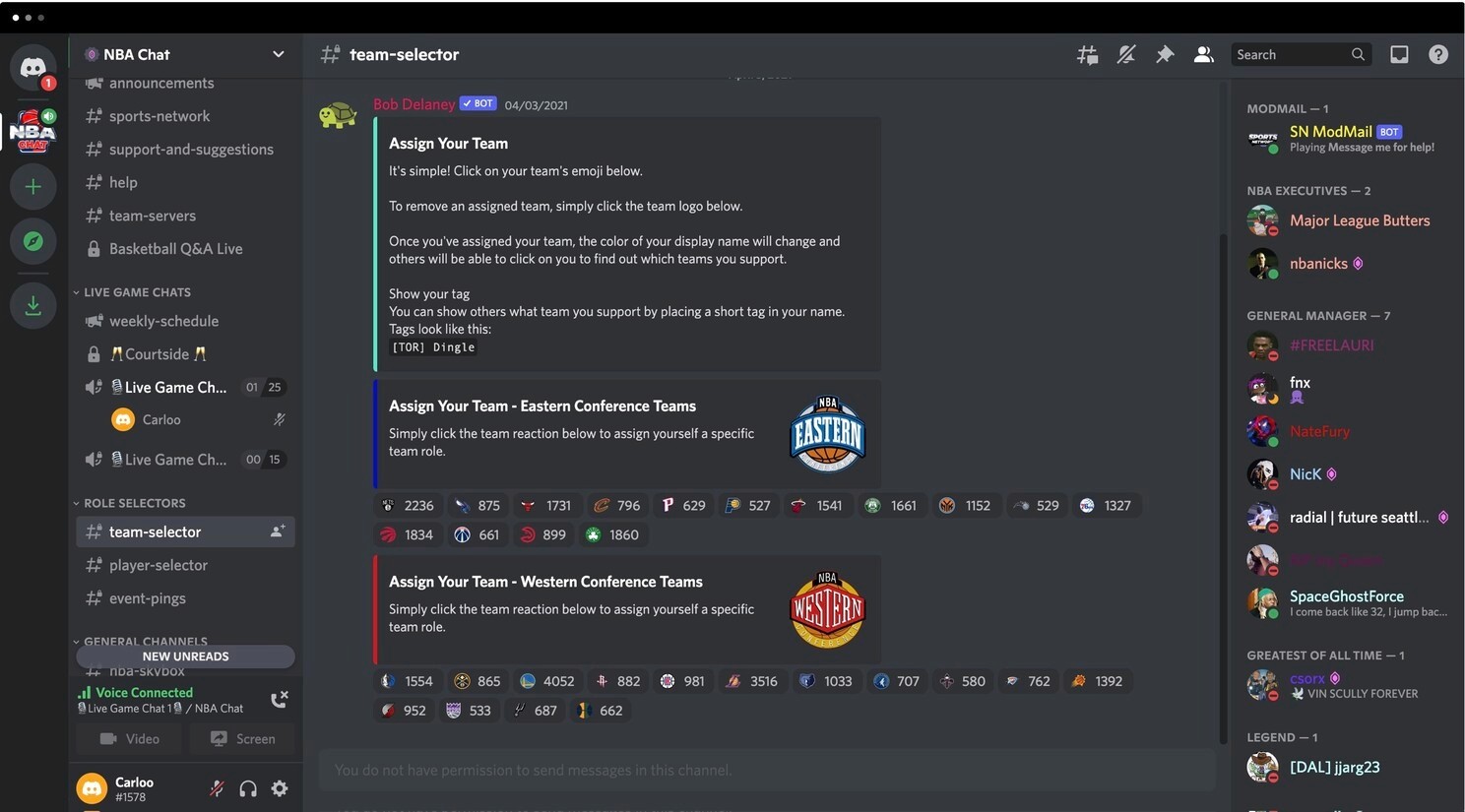
NBA Chat Discord server

Live blogs and online chat functions have turned fandom into a deeply social experience, with instant reaction podcasts and live broadcasts becoming increasingly popular - and every interaction into a signal of intent, emotion and interest.

If clubs themselves can harness the power of “dual-screen” entertainment sooner rather than later, fans will become deeply grateful and more engaged than ever, but it also lends itself as an opportunity to gain visibility into real fan behaviour and understand what really resonates, creating a clearer line between content participation and outcomes. 

The advantage belongs to the teams that know what fans do, not just where they watch.

No restricted areas

Amazon’s All or Nothing series has provided unprecedented access to elite sporting organisations, documenting full campaigns for clubs such as Arsenal, Manchester City, and Juventus, alongside the New Zealand All Blacks and NFL franchises, including the Arizona Cardinals and Los Angeles Rams.
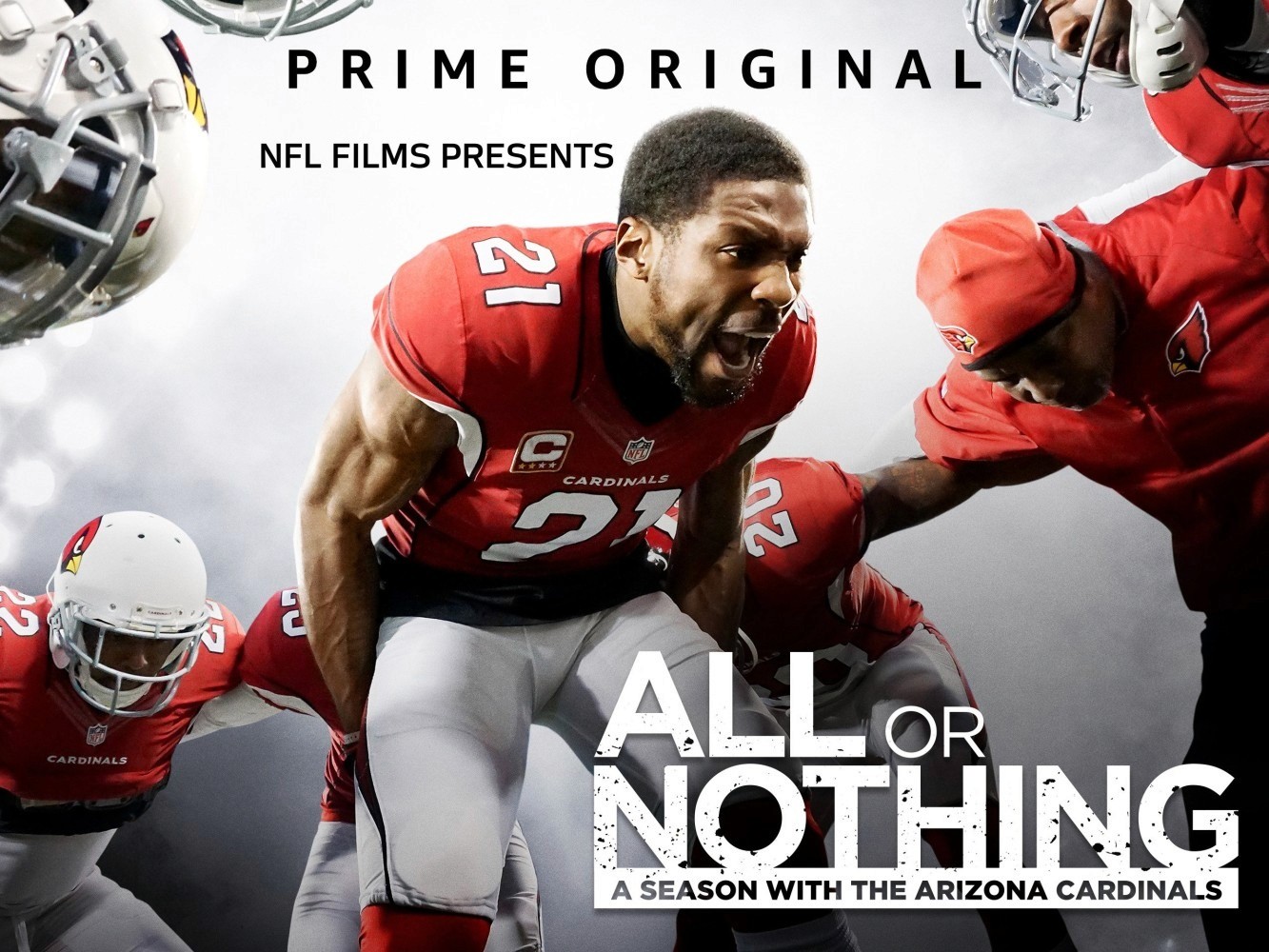
All or Nothing Series poster

These documentaries were among the first modern sports media to open up the inner reality of elite sport, revealing everything from dressing room confrontations to boardroom decision-making. In doing so, they’ve fundamentally changed how fans perceive teams.

Netflix has set a precedent with productions like Formula 1: Drive to Survive and Sunderland ’Til I Die, proving the appetite for long-form, access-driven sports content at scale.

There are measurable benefits for the institutions involved: allowing teams to control how access is framed, extend their story far beyond matchday, and generate a deep library of high-impact content consisting of clips, moments and narratives that fuel ongoing engagement across digital channels.‍

But the real value goes beyond exposure. 

This content creates sustained fan attention, repeat interaction and behavioural signals that traditional broadcast coverage never captures. It turns a season into a living content ecosystem rather than a fixed media product.

It’s no surprise that major sports organisations now see documentary access as a strategic asset, not a marketing gamble. 

As competition for attention intensifies, expect more teams to invest in formats that don’t just tell their story, but keep fans actively engaged with it long after the final whistle.

Crypto, NFTs and The Metaverse

The most expensive NFT in the world is a digital statue of LeBron James, which sold for a whopping $21.6m, signalling early demand for digital sports assets.
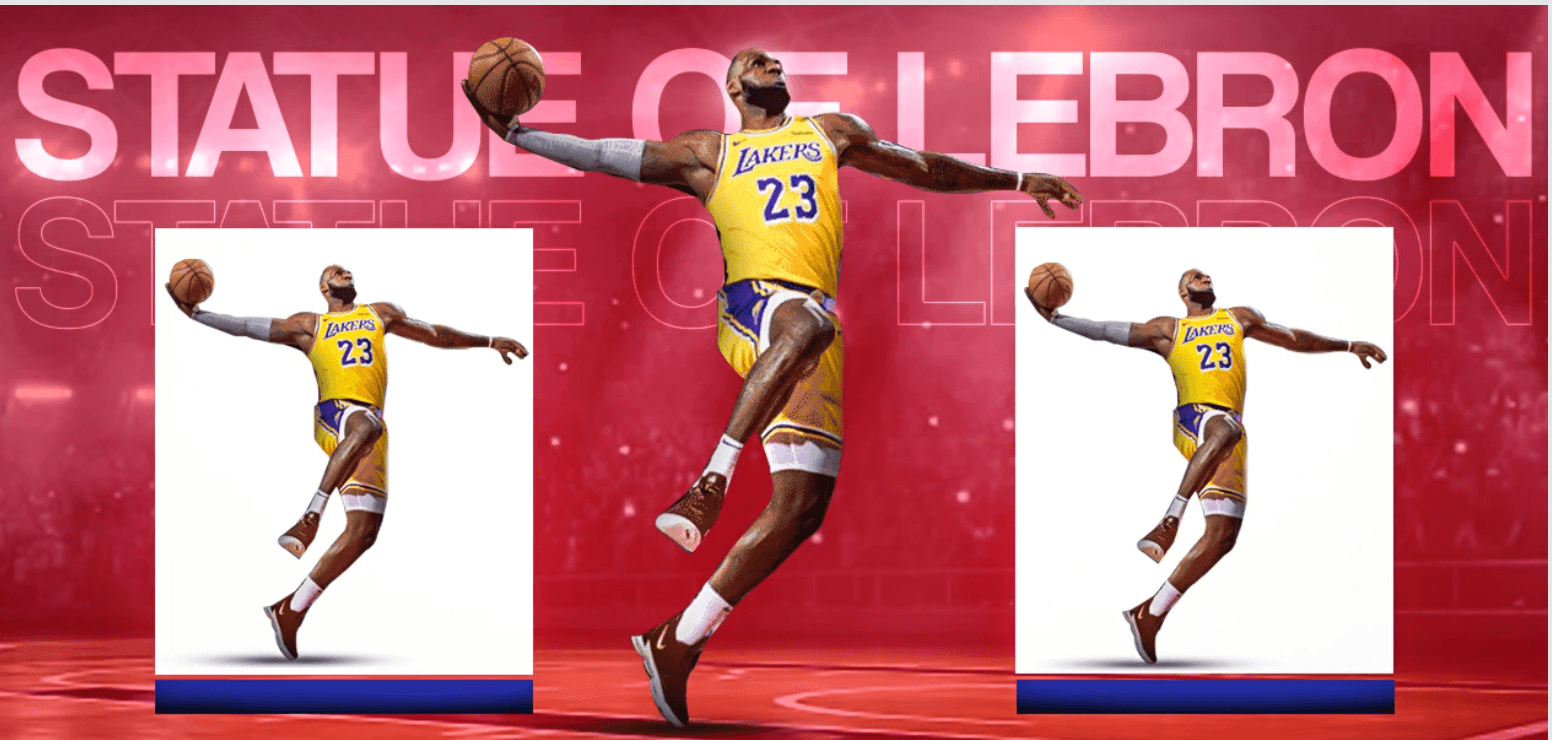
LeBron James NFT

Bitcoin.com reported that Real Madrid and Barcelona jointly filed a trademark application related to cryptocurrency wallet services.

This move highlights how fans are increasingly comfortable engaging with teams through owned, interactive web-based formats such as branded collectables to tokenised access, rather than just static merchandise.‍

Market Decipher research points to sustained long-term growth in NFT-based sports collectables from 2022 to 2032, alongside a broader expansion of the sports trading cards market, which is forecast to grow from around $12.9bn in 2021 to over $49bn by 2032.
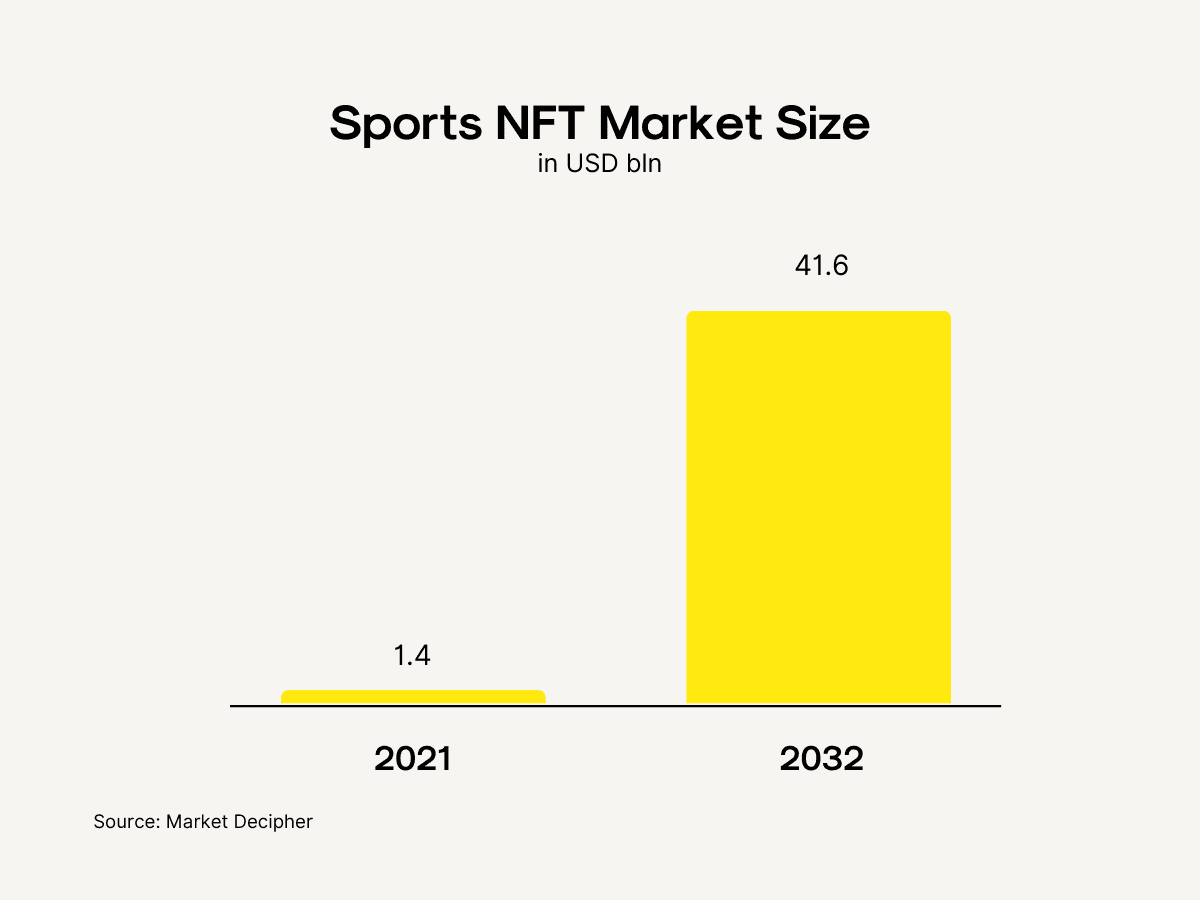
Chart of sports NFT market size in 2021 and 2022

And the same evolution is already happening in ticketing. 

Deloitte’s 2022 sports industry outlook highlighted how individual and season tickets are transforming from simple access passes into dynamic digital products capable of unlocking content, experiences and ongoing engagement across a season.

For sports organisations, the opportunity isn’t just to launch new digital formats, but to understand what those formats actually do. 

When digital products are treated as intelligence layers rather than one-off experiments, teams gain clarity on what resonates, what converts and what’s worth prioritising next.

The rise of ethical sponsorships?

Sponsorships are essential revenue streams and marketing strategies for sports clubs. The Premier League’s “big six” alone generated $1.2bn in sponsorship deals in the 2021/22 season (the other fourteen teams’ sponsorships were worth a combined $300m), for a total sponsorship revenue of over $1.5bn.

All good? Not quite.

Betting remains a controversial industry for sports institutions, with ongoing questions around ethics and gambling addiction.

In 2021/22, nine of the 20 Premier League teams’ main shirt sponsors were in the gambling industry.

According to The Times newspaper, Premier League clubs are set to agree to a voluntary ban on “front-of-shirt” betting sponsorships in the future; in 2021/22, nine of the 20 Premier League teams’ main shirt sponsors were in the gambling industry. 

A further nine Premier League clubs had sleeve sponsors from the betting or gambling industry in 2021.
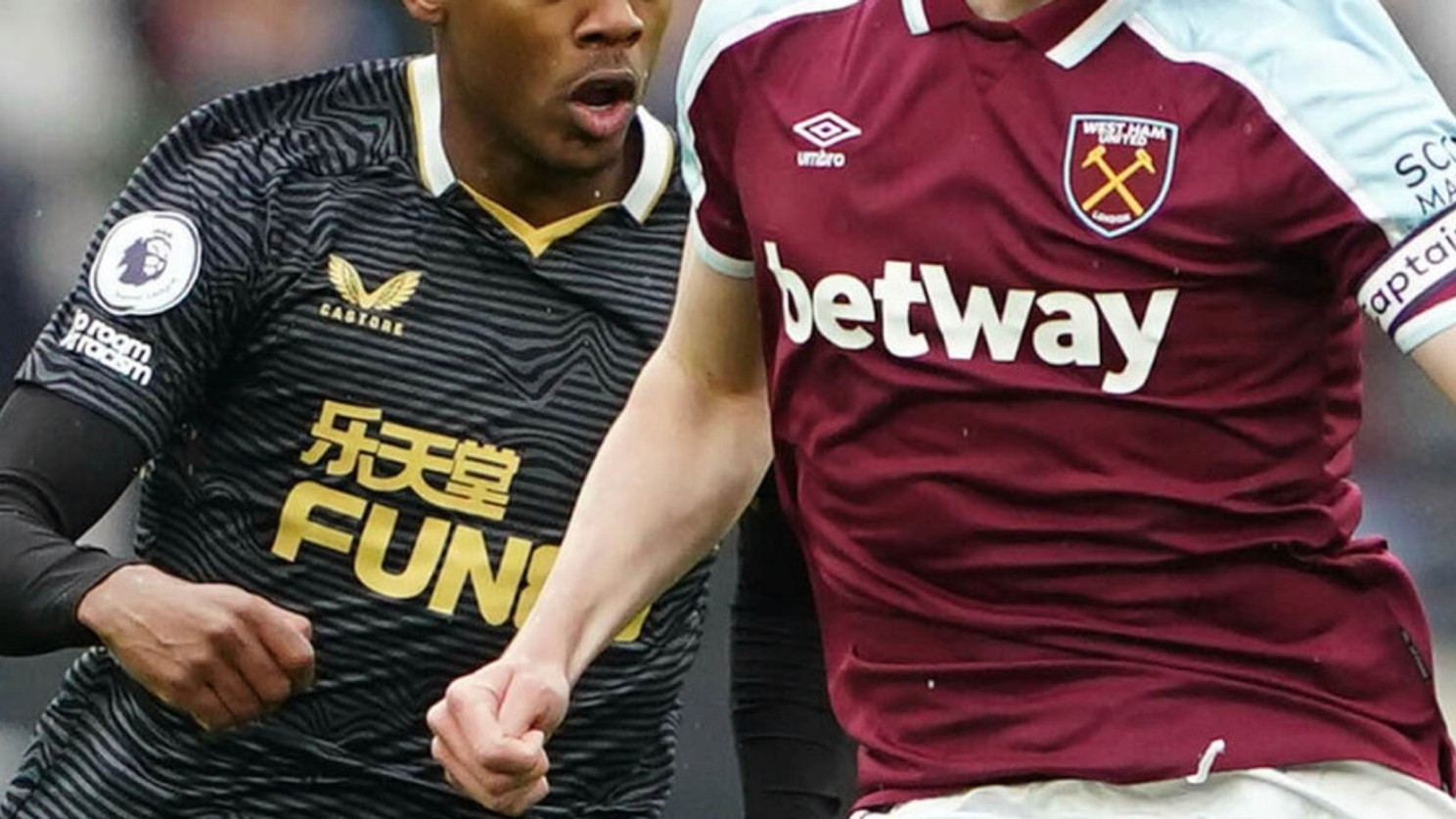
Football club front of shirt sponsors

This is a trend that the sporting world is already trying to set straight. In the US, the NFL has limits on the number of TV spots it will sell to sports betting companies, and the NBA isn’t allowing sportsbooks to advertise on its teams’ jerseys.

If sports institutions are beginning to take stronger stances on who and what they are willing to be sponsored by, it will be interesting to watch the rise of “ethical” sponsorships in the coming years.

Branching out: Esports and women’s sport

The Nielsen Group found that more than 2,250 esports sponsorship deals were announced globally in 2021, up from 1,785 in 2020

During the same timeframe, the female esports fan base grew by 19%, highlighting how audience growth and commercial interest are accelerating in parallel.

Meanwhile, women’s sport more broadly is gaining significant traction. The Drum reported that in 2022, more than 15 million viewers watched women’s sport in the UK between January and March — nearly three times the audience recorded in 2021. 

At the same time, EA Sports’ FIFA 23 introduced women’s club teams, signalling a shift in how women’s sport is represented and monetised.

No alt text provided for this image

TJ Adeshola, Head of U.S. Sports at Twitter, noted that the growth of women’s sports communities is already driving disproportionate impact across the industry, prompting organisations such as the NCAA to launch gender-specific social channels and rethink how they engage audiences.

The takeaway for brands and rights holders is clear: engagement patterns are evolving, and sponsorship value is being created outside traditional benchmarks.

To capitalise on this shift, organisations need visibility into real fan behaviour, understanding which content drives interaction, what influences outcomes, and where investment should be amplified based on evidence, not assumption.

Conclusion

These trends underscore a fundamental change in how sport connects with its audiences. 

As fan engagement stretches beyond game day and across platforms, from blockbuster television to sophisticated financial products, success can no longer be measured by volume or reach alone.

Whilst fans rely on their favourite sporting institutions to deliver a consistent yet varied flow of engaging online and offline content, to be enjoyed on any device, at any time, and any place they choose, it depends on understanding real behaviour, knowing what resonates, and using that intelligence to make smarter decisions about what to amplify and where to invest.

See how other brands are bringing this to life with Amondo.

Related Stories

Sports brands & rights holders: 5 ways fan interaction powers the non-matchday experience

This article outlines five principles sports brands can use to activate fans between fixtures and capture real behavioural signals beyond matchday.

0 minute read
November 16, 2022

One of the biggest challenges for sports brands is the time between matchdays. Attention lapses, momentum declines, and performance becomes harder to uphold.

But non-matchdays aren’t a gap, they’re a unique opportunity.

When activated well, this period allows rights holders to drive meaningful fan actions such as signing up for memberships, purchasing merchandise, downloading apps, or planning future match attendance. 

These moments reveal how fans actually behave, not just what they view or like.

By designing interactions around non-matchday moments — from membership sign-ups to buying merch — sports brands can uncover real signals of intent and preference, rather than relying on surface-level metrics.

So how do sports brands activate audiences between matchdays and turn behaviour into desirable intelligence?

We’ve identified five principles sports marketers should apply when designing content campaigns outside of matchdays to gain more insight into their fan base and drive commercial impact. 

‍Tip 1: Design video to capture fan behaviour, not just fill inventory 

Between matchdays, video is one of the most effective ways to keep fans engaged.

According to HubSpot’s 2024 video marketing data, short-form video is the most used format and delivers the highest ROI among marketers, with 83% reporting its effectiveness.  

Short, bite-sized videos – such as fan-generated content, match clips, analysis, or behind-the-scenes footage – help extend the match narrative, fit naturally into modern attention spans and maintain momentum when there’s no live action.

Unlike static content, video demands time and attention. How long fans watch, what they skip, or whether they explore further are strong signals of interest that are far more meaningful than a like or impression.

The challenge is that this behaviour often lives on third-party platforms. This means that when a video is shared only on social media, most engagement insight remains inaccessible.

Putting video on your own website or app makes all the difference. 

It lets you see how fans actually interact with content, so you can track and measure deep engagement, learning what drives fans to act, not just what they watched.

Takeaways

  • Video keeps fans engaged between matchdays and creates clearer signals of interest than static content
  • The real value of video lies in how fans engage with it, from what they watch, finish, and act on — not just who created it
  • Hosting video on owned channels and websites helps brands see what drives actions like ticket sales, merch, and sign-ups

Tip 2: Encourage fans to contribute to unlock better insight

Wyng (formerly Offerpop) found that while more than half of consumers are willing to interact with brand campaigns, only 16% of brands successfully turn that participation into first-party behavioural insight they can act on.

The opportunity isn’t just to spark interaction, but to invite fans to actively contribute beyond matchday.

Sports rightsholders have some of the most loyal fan bases, and they want to stay involved between fixtures, sharing opinions, creativity and personal moments that reflect their connection to the club or brand.

By inviting fans to submit content, opinions or experiences, rightsholders move beyond surface engagement. 

Every submission becomes a source of first-party data, revealing who fans are, what motivates them, which players or themes resonate most, and how different audiences behave outside of matchday peaks.

The result is non-matchday campaigns that feel more genuine and community-led because they feature real fan voices. 

At the same time, rightsholders gain a clear view of how audience behaviour and what drives them, helping to shape content and partner value without increasing output.

For their “Run Your Way” campaign, New Balance used Amondo’s social gallery and Submission Tile to give runners a simple way to take part. 

Participants shared photos and videos of their runs via race hashtags or by uploading content, which surfaced in a branded wall on the event site. 

This allowed New Balance to see which moments people chose to share and how community content performed compared to brand content, all based on real behavioural data, not surface metrics.

Takeaways

  • Fan participation drives intelligence, not just engagement
  • Brands can create more value without creating more content
  • This approach helps you to prioritise content decisions and partner activations based on behaviour, not guesswork

Tip 3: Create controlled content variation to generate behavioural insight

FC Nordsjælland used a deliberately different content perspective to observe how fans responded to a new format, topic and style compared to what they were used to for official club media. 

In 2018, the club handed a GoPro camera to their intern, a 14-year-old fan. He interviewed players, including asking the club’s star striker why he wasn’t scoring goals…

By introducing a fan-led viewpoint inside controlled, branded formats, the club was able to compare behavioural responses – such as completion rates, replay behaviour and interaction patterns – against more traditional training and behind-the-scenes content. 

This contrast helped reveal which types of storytelling drove deeper engagement from fans and sustained attention outside matchdays.

The value wasn’t the identity of the person holding the camera. It was the behavioural variation the format introduced, and the insight it generated into what non-matchday content actually resonates and holds attention.‍

Takeaways

  • Fan submissions add authenticity and community value, but the real advantage comes from experimenting with formats and observing behaviour to see what actually works
  • Varying content formats and access help rightsholders identify what drives non-matchday performance

Tip 4: Turn repeat fan behaviour into compounding intelligence

Non-matchdays aren’t only valuable because they create more content – they’re valuable because they create repeatable behavioural signals.

Using the same interactive formats over time encourages fans to return, making it easier to see clear patterns in behaviour; from content structures that drive deeper engagement andwhich access points prompt repeat interaction to which signals connect to downstream outcomes.

Over time, this behavioural data compounds. 

Each activation adds context to the last, allowing brands to move from isolated performance snapshots to a clear understanding of what consistently works – and what to stop doing by proven behavioural drivers.

Takeaways

  • Repeatable activation creates behavioural data that compounds over time
  • Comparing signals across non-matchdays reveals what to scale, adapt or stop
  • Intelligence grows by reapplying learning, not recycling content

Tip 5: Activate audience content through measurable interaction formats

During the Tokyo 2020 Olympics and the coronavirus pandemic, Team GB faced a clear challenge: fan support was remote, fragmented and largely invisible beyond surface engagement metrics.

Using Amondo, Team GB brought together fan-generated content, athlete stories and branded partner content into a series of Amondo Galleries designed for engagement, participation and activation.

Amondo’s Submission Tile invited fans and athletes to share photos and videos with messages of support, creating a continuous stream of authentic content throughout the Games. 

At the same time, embedded Click-Through Tiles turned attention into action, converting passive viewing into measurable interaction.

App and newsletter sign-up CTAs were placed at moments of high emotional connection, enabling Team GB to grow its owned audience and capture first-party behavioural data. This gave the team a clearer understanding of who its fans were, how they engaged with Olympic content, and how to continue those relationships beyond the Games.

The result wasn’t just visibility – it was behavioural intelligence. A repeatable model for understanding and activating fan support when attention is distributed, and physical presence isn’t possible.

Takeaways

  • Participation becomes intelligence
  • Interactive formats convert attention into measurable action, capturing behaviour that social platforms don’t expose
  • Behavioural insight enables long-term value, helping brands grow owned audiences and deepen engagement  – even when physical presence isn’t possible

In summary

Non-matchdays are valuable because they allow sports brands to both publish more content and also create a repeatable opportunity to capture fan behaviour.

When fans interact with content through structured, portable formats, sports brands and rightsholders gain first-party behavioural insight into what holds attention, signals intent and drives outcomes between matchdays. 

That insight compounds over time, replacing guesswork with clarity on what to prioritise, scale or retire.

The advantage isn’t fan-created content or curated feeds. It’s the ability to observe real behaviour, compare performance across formats and apply learning consistently as the season unfolds.

You can explore more examples in our case studies here.

Getty Images and Amondo partner to transform licensed visual content into actionable fan insight

This post announces Amondo’s partnership with Getty Images, showing how licensed visual content is activated to capture first-party fan behaviour and performance insight.

0 minute read
February 23, 2022

Content intelligence platform Amondo has partnered with Getty Images to give sports, media, and entertainment organisations a new way to display and activate licensed visual content. These experiences capture first-party fan behaviour and performance insight that other platforms don’t provide.

Getty Images is a preeminent global visual content creator and marketplace that offers a comprehensive range of content solutions to meet the needs of customers worldwide, regardless of their size. 

Through its Getty Images, iStock, and Unsplash brands, websites, and APIs, Getty Images provides premium, licensed visual content that powers storytelling at a global scale. This content can now be discovered and activated inside Amondo’s platform.

Working with clients including Chelsea FC, Universal Music, Formula E, the International Cricket Council, and Live Nation, Amondo ingests brand, creator, and fan content and transforms it into portable branded formats across web, mobile, partner sites, in-venue screens, and OOH.

These formats capture first-party behaviours such as taps, swipes, depth, hesitation, dwell and QR journeys. 

This behaviour connects to downstream commercial outcomes like traffic, sign-ups, purchases, ticket sales or conversions - creating an intelligence layer that reveals what content actually drives performance and why. 

This means visual content is no longer just displayed; it becomes measurable, comparable, and optimisable based on how fans actually interact with it.

The integration allows organisations to connect their Getty Images account within the Amondo dashboard to add visual content from Getty Images to their Amondo Galleries. 

"We’re delighted to announce our partnership and integration with Getty Images, enabling Getty’s visual content to be activated directly within Amondo. Many of our clients already use Getty Images, and this integration allows that content to be deployed in Amondo’s portable branded formats while capturing first-party behavioural insight into how audiences actually engage. The result is clearer intelligence on what resonates, how content performs, and what to scale next, moving clients from distribution to understanding what works and why.”

Charlie Bucker, Founder, Amondo

"Enabling our clients to work smarter and faster to showcase visual content that engages audiences across the globe is at the heart of our strategy. This is especially important during event-driven coverage, where Getty Images is relied upon as a core component of fan interaction. Our exciting partnership with Amondo streamlines the creation process through a native experience with content at customers' fingertips.”

Benjamin Beavan, Global Director Strategic Development, Getty Images

One of the first organisations to make use of the new integration is the British Olympic Association and Team GB around the recent 2022 Winter Olympics in Beijing. 

Team GB was able to access and display licensed visual content from Getty Images within daily Imprints showcased via the teamgb.com, official Team GB app and social media.

"The Getty Images integration with Amondo has allowed us to feature the high-quality and impactful photos that Getty Images is renowned for within our Amondo Gallery feeds — and in a fraction of the time it would take to do manually. We’re proud to have worked with Amondo in bringing the passionate support of Team GB fans into one central location, making it easy for athletes and supporters alike to feel the momentum behind the team from back home.”

Nicol McClelland, Head Of Marketing, British Olympic Association

Get started with Amondo by booking a demo with the team.